Every new parent knows the 2 a.m. drill: baby wakes, you creep in, and the last thing anyone wants is to flip on a bright overhead light that fully wakes both of you. The nursery night light is the quiet hero of those first months — but not all night lights are created equal. The color of the glow, where you put it, and how it turns on all change how well your baby (and you) sleep.
Why the Color of the Light Matters
The science is simple: light with a lot of blue wavelengths tells the brain it's daytime and slows the release of melatonin — the hormone that makes both babies and adults feel sleepy. That's why a harsh white or blue night light can quietly work against the sleep you're trying to protect. The gentlest choices are red light, which disrupts sleep the least, and warm amber, a close second that reads as cozy rather than clinical. For middle-of-the-night feeds and diaper changes, stick to the warm end of the spectrum.
Red, Warm White, or Motion-Activated?
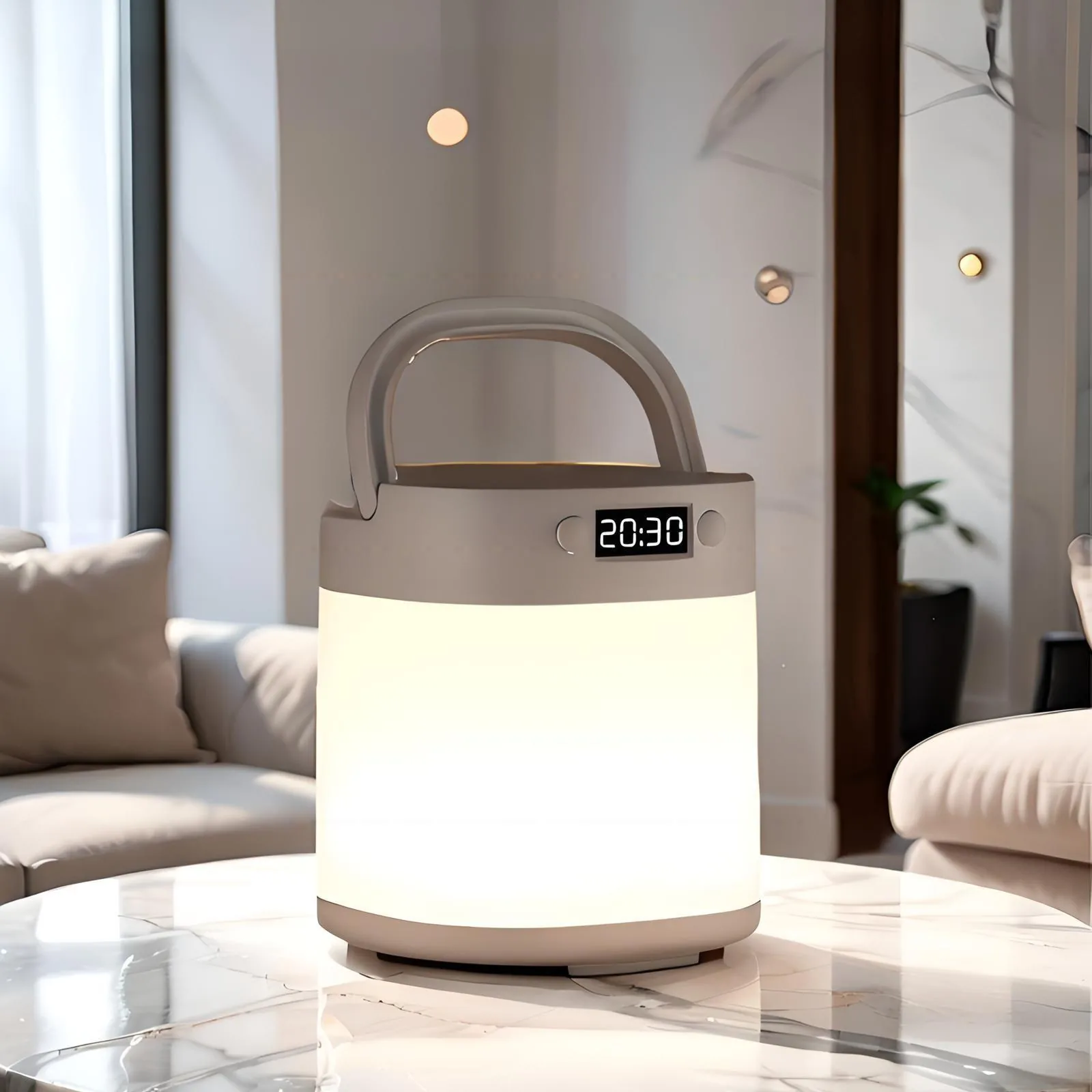
There's no single "best" answer — it depends on how you use the room. A glare-free warm baby night light with a digital clock gives you a steady, low glow and the time in one glance — ideal for tracking feed windows without reaching for your phone. For a light that only comes on when you do, a motion sensor light mounted near the doorway lights your path in and out without ever shining directly into the crib. A magnetic motion sensor light senses movement up to 16 feet away, so it's already glowing before you step inside — hands-free for the parent holding a baby. Set it to a soft warm tone for nighttime feeds, and save the brighter RGB colors for playtime or an older child's room.
Placement and Safety: The Non-Negotiables
Where the light sits matters as much as its color. Keep it out of the baby's reach and out of the direct sightline of the crib, and angle it toward the wall or the floor so the glow stays indirect. Cords are the other thing to watch: any trailing wire should be fully out of reach of the crib. Choose a light that's cool to the touch and rated for indoor use (IP20) — the same light you'd trust in a hallway is the right class for a nursery. If the idea of swapping a dimmer or rewiring feels like too much, a magnetic no-drill mount installs in under a minute and removes cleanly. For more on choosing the right unit, see our full guide to picking a nursery night light.
Beyond the Infant Years
The nursery light doesn't retire when the crib does. As your child grows, the same soft glow becomes a comfort object and a way to ease the "afraid of the dark" stage. A laser-engraved unicorn crystal ball night light turns bedtime into something to look forward to, casting a gentle glow from a real glass globe on a wooden base. And the motion lights you mounted for the nursery can migrate to the hallway and stairs as your little one starts wandering. Read our new-parent gift guide and room-by-room lighting guide for more ideas.
A Quick Nursery Lighting Checklist
- Pick a warm or red glow. Avoid bright white and blue for nighttime feeds.
- Keep it indirect. Point the light away from the crib and out of the baby's sightline.
- Go hands-free. Motion activation means no fumbling for a switch at 2 a.m.
- Mind the cords. Keep every wire out of reach of the crib.
- Choose indoor-rated and cool-to-touch. IP20, glare-free lights are built for the job.
The right nursery light doesn't just help the baby sleep — it protects yours too, by turning 2 a.m. from a jarring flash of white into a calm, dim glide. Prices and availability change on Amazon US, so see the current price on Amazon before ordering.
Gentle Light for Better Baby Sleep
Glare-free, motion-activated and no-drill — the right nursery lighting helps the whole house sleep. See current prices on Amazon US.